
Paper gold, ETFs and physical metal
An ETF holding records an entitlement, not ownership. What counterparty risk means in practice, and why it matters most precisely when precious metals are meant to help.
Insights
Independent thinking on physical ownership and long-term wealth preservation.
An ETF holding records an entitlement, not ownership. What counterparty risk means in practice, and why it matters most precisely when precious metals are meant to help.
Transaction prices per square metre in nine of Poland’s largest cities, converted into grams of gold. The same property, a different unit of measurement.

Inflation is not a weather event. It is monetary policy, and it takes purchasing power quietly — hardest from the people who saved. What holding physical metal changes.

Two patterns catch most first-time buyers of physical gold: numismatic coins carried at inflated premiums, and offers priced at or below spot. How to recognise both.

The difference between currency and money is not academic. It explains why balances held in a bank quietly lose value, and what changes when wealth is held in physical metal.
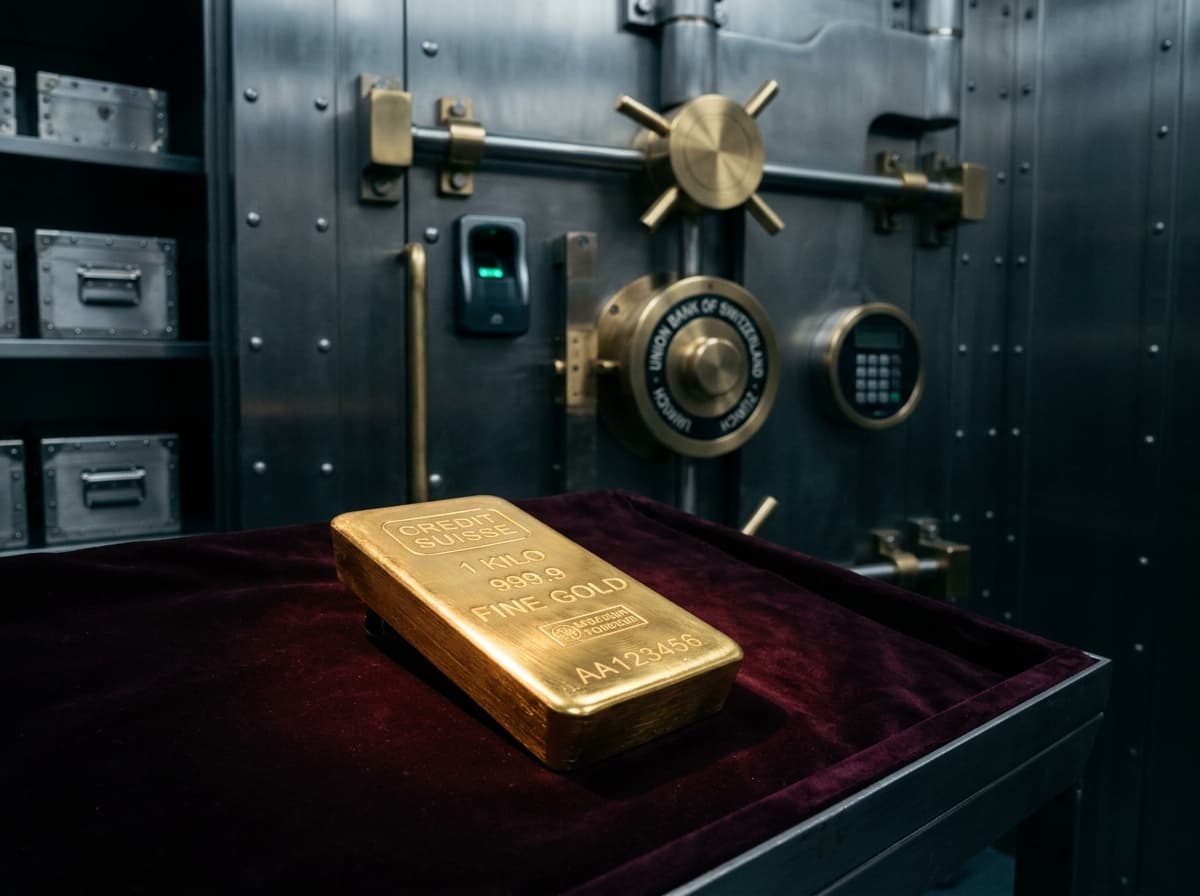
The structure of a precious metals holding changes with its size: coins for flexibility at smaller scale, certified LBMA bars and independent vaulting as capital grows.

Why physical metal never costs the spot price shown on screen: what the mint premium covers, what the spread is, and why both matter less over a long horizon.

A review of the most widely recognised bullion coins, what distinguishes each of them, and what to check before buying: certification, liquidity and storage.

Gold and silver do different work in a holding: density of capital and stability against industrial demand and higher volatility. What separates them, and what follows.
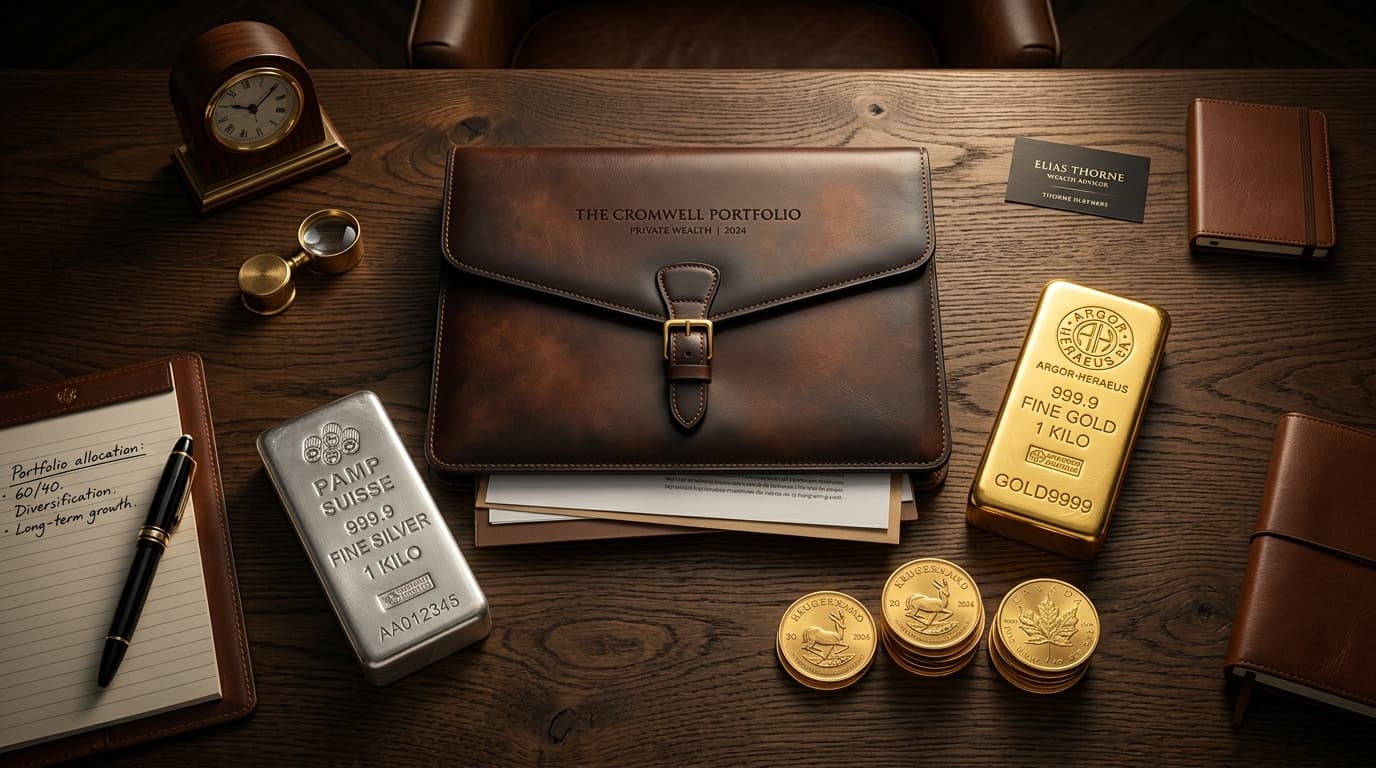
Bars or coins, gold or silver: how the parts of a physical precious metals holding fit together, and how transaction costs shape what to buy at each scale.

Home safe, bank box or an independent vault? What actually separates them: jurisdiction, ownership structure, insurance, access and counterparty risk.

An ethical perspective on wealth: stewardship rather than ownership, prudence over speed, and what that implies for how a family holds value across generations.
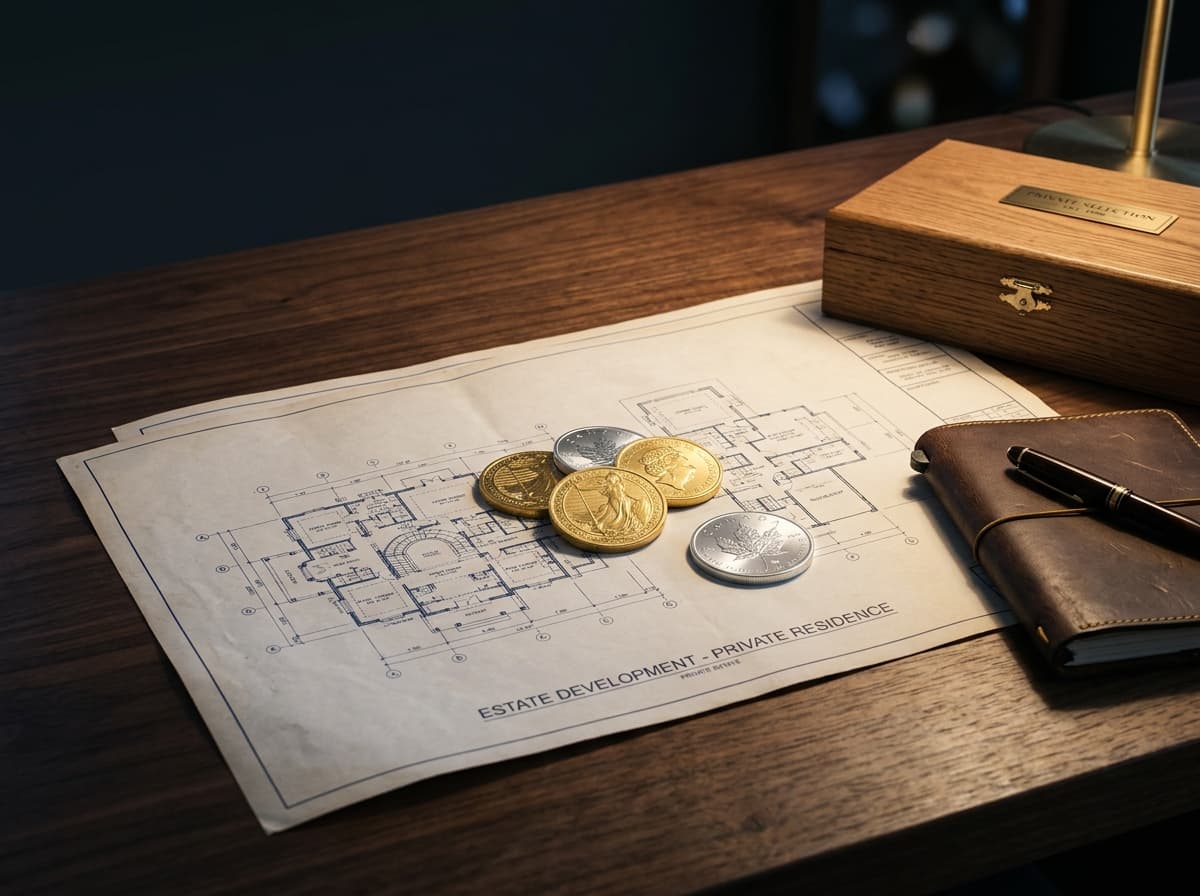
Three practical approaches to protecting accumulated wealth from inflation: owning physical metal rather than paper claims, buying certified quality, and storing it properly.

The difference between currency and money: why fiat balances lose purchasing power, and what gives physical gold and silver their intrinsic, independent value.