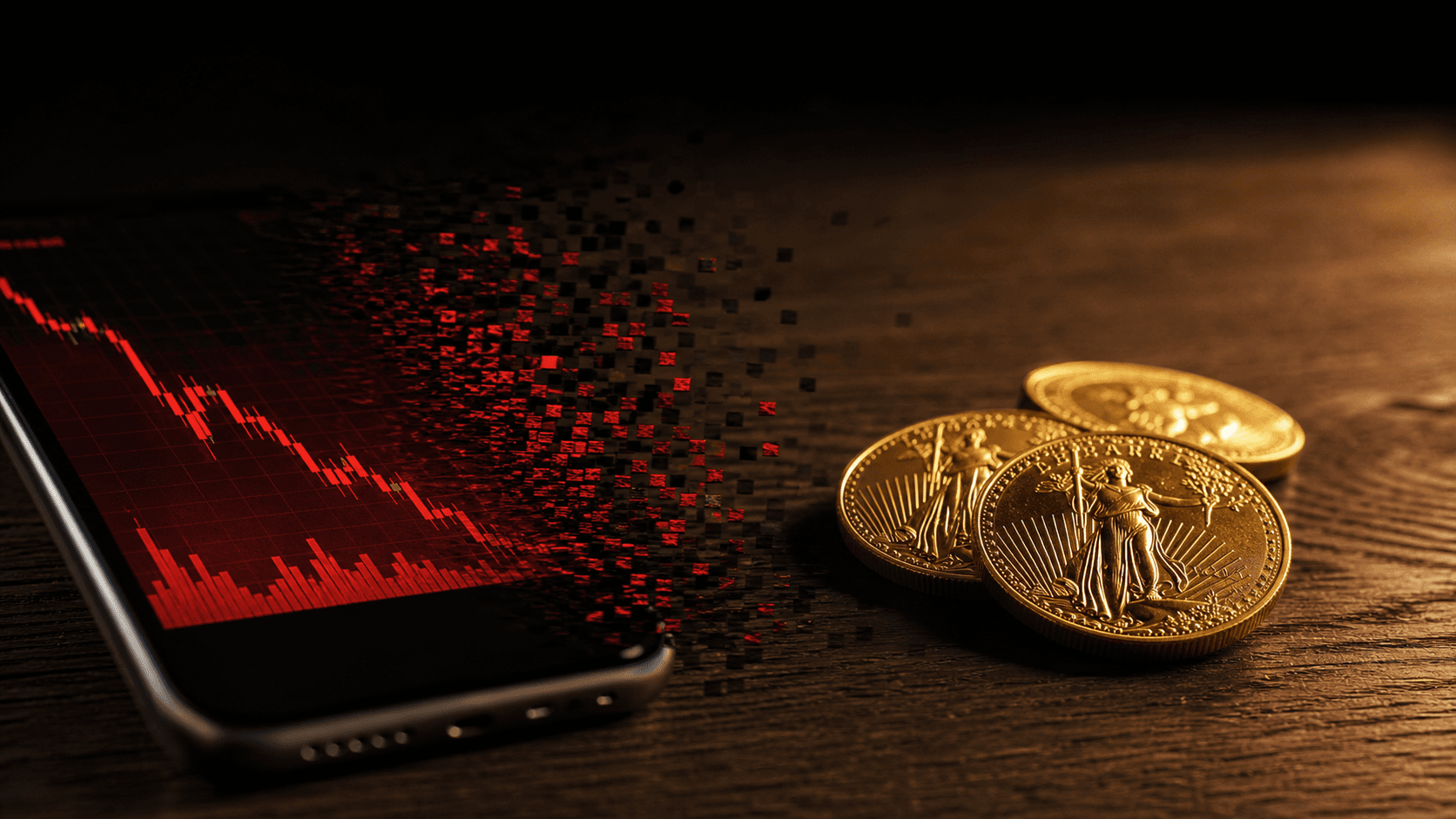
Building a business and accumulating wealth takes decades of effort. When the time comes to secure the result for a family, most people make one basic assumption: that the banking system is the place to keep it. That assumption deserves examination, and it begins with a distinction — the difference between currency and real money.
Fiat currency: a promise on paper
The dollar, the euro and the złoty are fiat currencies, from the Latin fides, meaning trust. They have no backing in any physical good; their value rests entirely on confidence in a government and a central bank. In practice, currency today is most often a digital record that can be expanded at any time. When the financial system creates new units without backing, it dilutes the value of existing savings. Holding the results of a lifetime’s work solely in currency accepts a slow, systematic reduction of it.
Gold and silver: the older reserve
Against that stands real money. Gold and silver have held intrinsic, tangible value for thousands of years. Metal cannot be created on demand: it has to be mined, refined and struck, which requires substantial work and energy. Including physical gold in a holding moves that part of one’s wealth outside systemic risk, bank failures and financial crises. The owner holds the asset directly.
Building a durable foundation
Recognising that a balance on a screen is a promise rather than a possession is the first step. Gold and silver are not instruments for short-term speculation; they are a hard foundation on which a durable legacy can be built. Securing capital in metal is a choice for independence and stability that the banking system, by its nature, cannot offer.